Contents
-
Introduction: The Focus of Light
-
What Is a Spotlight and What Is It Used For?
-
The Most Basic Question: How Does Spotlight Lighting Differ from Normal (General) Lighting?
-
Why Should You Use a Spotlight? Here Are 5 Important Benefits
-
Types of Spotlights: Which One Is Right for You?
-
Recessed Spotlight Lighting
-
Track Spotlight Lighting
-
Surface-Mounted Spotlight Lighting
-
-
Professional Tips for Choosing the Right Spotlight
-
Conclusion: The Art of Highlighting
-
Expert Support and Contact
1. Introduction: The Focus of Light
In modern interior design, lighting means much more than simply illuminating a room. Lighting is the art of creating an atmosphere, setting a mood, and, most importantly, highlighting the areas you want to draw attention to, like a stage performer. One of the most powerful brushstrokes in this art is spotlight lighting. In this guide, we will delve into the world of spotlights, explain their benefits, how they differ from normal lighting, and how to make the right choice for your spaces from A to Z.
2. What Is a Spotlight and What Is It Used For?
In the simplest terms, a spotlight is a focused light source used to highlight a specific object, area, or architectural detail (such as a painting, sculpture, plant, or decorative wall) rather than spreading light over a wide area. While general lighting allows us to see the entire space, spotlight lighting whispers where we should look. This ability to direct and highlight makes it an indispensable part of decoration.
3. The Most Basic Question: How Does Spotlight Lighting Differ from Normal (General) Lighting?
Understanding the difference between these two types of lighting is the first step in creating the right lighting plan.
-
Light Distribution:
-
Normal Lighting: Distributes light evenly around the space to illuminate the overall area. It softens shadows and aims to keep the entire space at an equal level of brightness.
-
Spotlight: Focuses light on a narrow area at a specific angle. This creates contrast and hierarchy between the illuminated object and its surroundings.
-
-
Purpose:
-
Normal Lighting: The primary purpose is functionality and overall visibility. It allows us to move safely around the room.
-
Spotlight: The primary purpose is accent lighting and aesthetics. It is used to draw attention, add depth, and create a dramatic effect.
-
-
Usage:
-
Normal Lighting: This category includes a single chandelier in the center of the ceiling or wide-angle panel LEDs.
-
Spotlight: Ideal for illuminating museum exhibits, art galleries, store windows, kitchen counters, and decorative objects in living rooms.
-

4. Why Should You Use a Spotlight? Here Are 5 Important Benefits
-
Creates a Focal Point: You can draw all eyes to your favorite painting on the wall, a special collection in your bookcase, or a new product in your store by illuminating it with a spotlight.
-
Adds Depth to the Space: When used correctly, it creates plays of light and shadow that make a flat, dull space look more dynamic and layered.
-
Changes the Atmosphere: Especially with spotlights featuring a dimmer function, you can instantly adapt the atmosphere of the space from a romantic dinner to a lively gathering with friends.
-
Offers Flexibility: Especially track spotlights allow you to move the light sources anywhere you want and change their direction. This is invaluable for stores and galleries with frequently changing decorations.
-
Provides Energy Efficiency: Thanks to LED spotlight technology, you prevent unnecessary energy consumption by illuminating only the area you need. This is a much more efficient method than general lighting.
5. Types of Spotlights: Which One Is Right for You?
Spotlight products are basically divided into three:
-
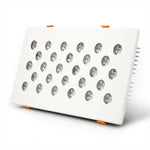
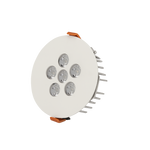
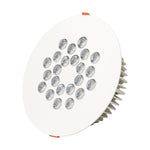
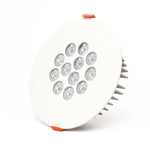
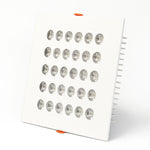
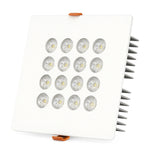
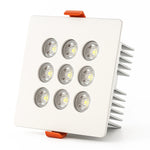
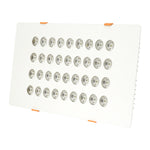
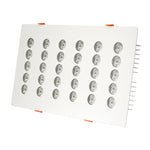
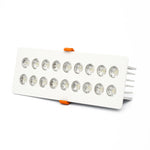
Recessed Spotlight Lighting: It integrates seamlessly with the ceiling, offering a minimalist and modern look. It is the cleanest and most stylish solution for spaces with suspended ceilings. They are also generally used to support general lighting.
-
Track Spotlight Lighting: Consists of spotlights that can move along a track mounted on the ceiling. It is perfect especially for store windows, kitchen islands, and anywhere requiring flexible lighting.
-
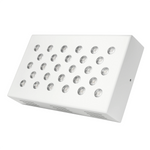
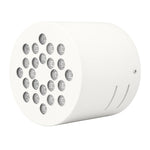
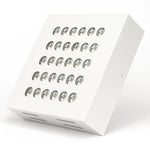
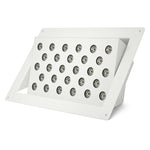
Surface-Mounted Spotlight Lighting: A spotlight model that can be easily mounted without drilling into the ceiling in spaces without suspended ceilings. They generally have modern cylindrical or cube-shaped designs.

6. Professional Tips for Choosing the Right Spotlight
-
Beam Angle: Choose the spotlight's beam angle according to the size of the object you want to illuminate. Choose a narrow-angle (15–24 degrees) spotlight for a small figurine, and a wider-angle (36–60 degrees) spotlight for a large wall or painting.
-
Color Temperature (Kelvin): 3000K (Warm White) is ideal for a warm and cozy atmosphere at home, while 4000K (Natural White) is ideal for workspaces or modern spaces.
-
Color Rendering Index (CRI): Especially in stores and galleries, you should choose high CRI LED spotlights with a CRI value above 90 to show the true colors of the products.
7. Conclusion: The Art of Highlighting
Spotlight lighting is a magical touch that, when used correctly, can transform an ordinary space into an extraordinary atmosphere. Whether you want to honor a work of art in your home or make a product in your store shine, spotlight models offer you the flexibility, aesthetics, and efficiency you need all at once. Make a difference in your spaces by using light not just as a tool, but as a design element.
8. Expert Support and Contact
Are you having trouble choosing the right spotlight model, angle, or color for your lighting project? Tenka LED's expert team is ready to offer you the most suitable solutions.
-
Address: Mücahitler Mahallesi 52094 Nolu Sokak Sebzeci Plaza No: 4 İç Kapı No: 2 Şehitkamil/Gaziantep
-
Phone: +90 531 609 27 25
-
Email: info@tenka.com.tr